New U.S. Customs Regulations: Crackdown on "Shell" Importers; Strict Identity Verification Starts September 18
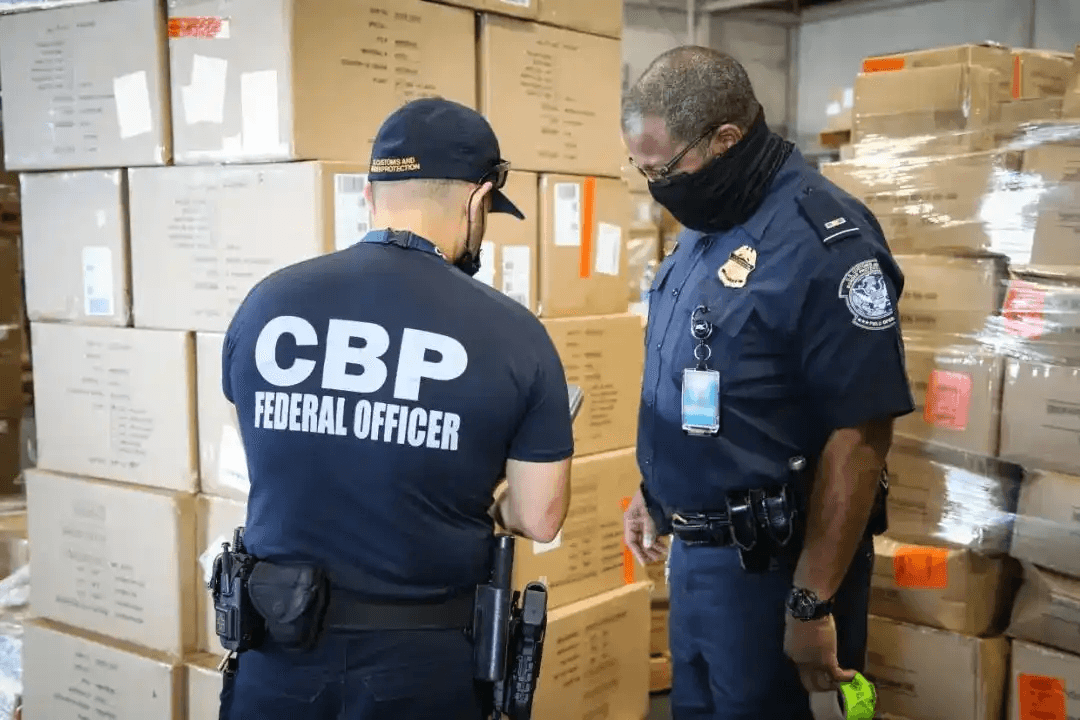
U.S. Customs and Border Protection (CBP) has recently issued a series of major new regulatory rules for Importers of Record (IOR) (based on Executive Order 14411). This marks a comprehensive shift in U.S. import regulation from managing individual transactions to scrutinizing the qualifications of the importing entity itself. For cross-border e-commerce sellers, the room to maneuver using low-compliance models—such as "double-clearance with tax inclusion" (DDP services)—will be drastically reduced.
[Key Change: Differentiated Treatment Based on "Identity"]
The defining feature of the new regulations is "tiered management." Customs will strictly distinguish between "U.S. IORs" and "Foreign IORs."
* U.S. IOR: Must meet stringent criteria, such as U.S. citizenship or permanent residency (Green Card holder), actual business operations within the U.S., and sufficient assets.
* Foreign IOR (Critical for Chinese sellers): Will face stricter entry thresholds, including mandatory formal customs entry procedures, restrictions on using annual bonds (requiring single-entry bonds instead), and a requirement to use CTPAT-certified customs brokers for clearance.
[First Clause to Take Effect: Crackdown on "Falsified Information" Starting September 18]
The first specific implementation notice has been issued and will officially take effect on September 18, 2026. It focuses squarely on the accuracy of CBP Form 5106 (Importer Identity Form):
1. Strict Ban on "Proxy" Addresses: Addresses, phone numbers, and email addresses listed on the form must belong to the importer themselves and represent actual physical locations and contact details. Using addresses belonging to freight forwarders or customs brokers, P.O. Boxes, or third-party contact information as placeholders is strictly prohibited.
2. Strict Scrutiny of Authorization Chains: Customs brokers must hold a Power of Attorney (POA) signed directly by the importer; indirect arrangements via freight forwarders or third parties are not permitted.
3. Non-compliance Leads to "Account Deactivation": If Customs discovers false or incomplete information, the enterprise's Importer Number will be immediately voided. Once the number is voided, the enterprise will be unable to conduct any customs clearance or import business in the U.S., and goods currently in transit will be blocked. [Action Recommendations for Sellers]
Although the details of the new regulations are still being rolled out, the September 18 deadline is fast approaching. Affected sellers are advised to take the following actions immediately:
1. **Verify IOR Status:** Determine the specific category of your Importer of Record (IOR) and assess the associated compliance costs.
2. **Contact Customs Brokers:** Immediately verify the information currently on file with CBP (specifically regarding Form 5106) to ensure that the address, phone number, and email address accurately reflect your company's actual details.
3. **Prepare Documentation:** Compile information regarding your company's ownership structure, beneficial owners, and U.S. assets in advance to prepare for potential in-depth reviews by Customs authorities.
Compliance has become a prerequisite for entering the U.S. market. Adapting to these changes early—and moving away from non-compliant "shortcuts"—is key to ensuring the continuity of your cross-border business.